One month after the first edition of Climate Week Zurich, the conversations are still present.
As a proud founding partner of this inaugural edition, GreenBuzz had the opportunity to witness but also proactively engage in a week that brought together numerous events, voices, perspectives, and difficult but necessary conversations. From carbon removal to AI, from shared responsability to governance, from financing and scaling innovation to systems change the schedule offered a variety of approaches to talk about climate and sustainability.
But beyond the panels and presentations, what stayed with many participants we talked to and also stayed with us, was something else. Something more human: the feeling of urgency to go beyond the usual – to start using our imagination again. And the wish to collaborate more to strengthen communities locally and globally.
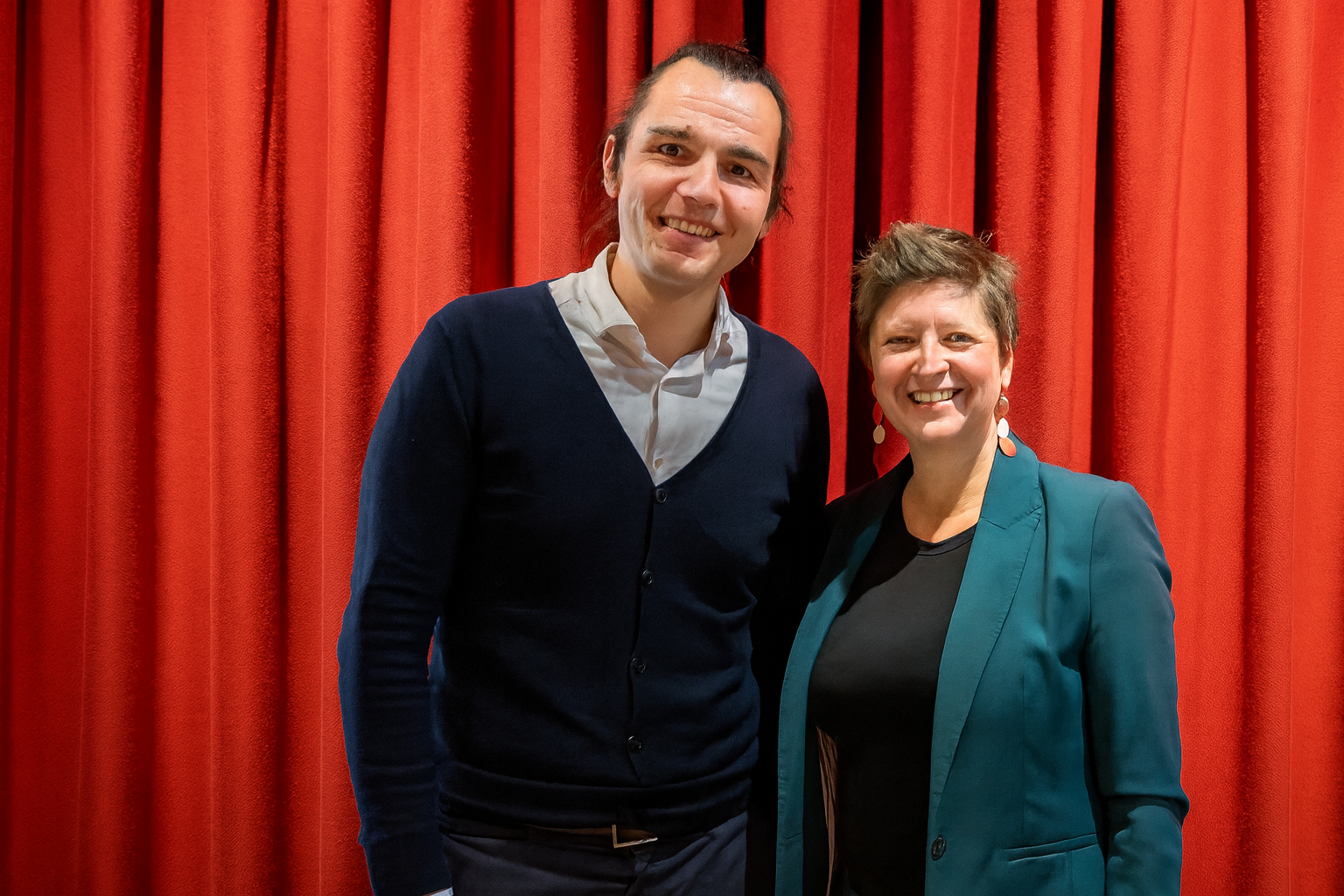
For this edition of our Community Diary, we invited two GreenBuzz Ambassadors, André Bittner and Adriana Gasser, to share their personal reflections on what Climate Week Zurich revealed, challenged, and inspired.
Reflection by André Bittner
Climate Week Zurich arrived with something I did not fully expect: a special kind of energy.
Not the polished optimism often associated with large conferences, but a genuine sense that people had shown up with intention. Even before the first sessions began, there was a feeling that something meaningful was taking shape. That atmosphere told me something important about where Zurich’s sustainability ecosystem stands today.
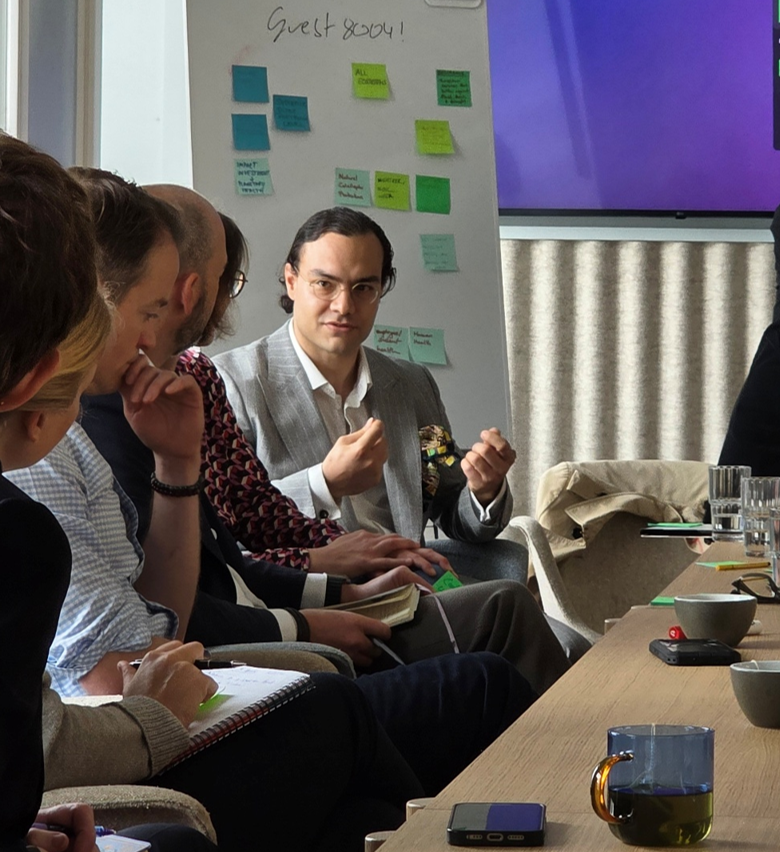
Three observations stayed with me.
First, governance emerged as a central theme.
Across multiple events, from board veterans to next-generation leaders, I was struck by the openness with which governance challenges were discussed. It reinforced a conviction I have held for some time: many of the decisions that will shape the future of sustainability, finance, and resilience are ultimately governance decisions.
Data, frameworks, and regulation remain essential. But whether organisations act on them depends on leadership, incentives, and decision-making structures. Governance is where strategy becomes reality.
Second, the human dimension mattered more than ever.
One of the greatest strengths of Climate Week Zurich was the opportunity to reconnect with people beyond screens, profiles, and virtual meetings. Some of the most valuable moments of the week happened between sessions rather than on stage. Conversations that reminded me how much expertise, conviction, and lived experience sit behind professional titles.
As Magalie Heraud put it during one discussion: “The missing layer is human.” That observation stayed with me. Regardless of sector, function, or industry, we are ultimately working with and through people.
Third, progress is sustained by those who continue showing up.
Sustainability has experienced a challenging period. Political shifts, economic pressures, and growing scepticism have tested both momentum and conviction. What Climate Week Zurich reminded me, however, is that meaningful progress rarely happens through headlines alone. It happens because individuals continue to contribute, often over many years, with consistency and integrity.
Throughout the week, I was reminded of the importance of practitioners who consistently bridge ideas and implementation. People whose credibility stems not from what they say, but from what they build, challenge, and contribute over time. Among many others, this included conversations with Hallvard Bremnes, Aurelia Figueroa, Leslie Johnston, Tadas Zukas, and Sabine Döbeli. Their work serves as a reminder that leadership is ultimately demonstrated through action rather than rhetoric.
Giving up is not an option. Conversations matter. Ideas matter. Relationships matter. Even when immediate outcomes are not visible, they help shape the conditions from which future progress emerges.
Climate Week Zurich is now on the map.The more interesting question is what we do with the momentum from here.
If these reflections resonate with challenges you are seeing in governance, finance, sustainability, or organisational transformation, I would be glad to continue the conversation.
Let’s keep building.
If you are interested in reading André’s full reflection and key takeaways from Climate Week Zurich, you can find the complete article here.
Reflection by Adriana Gasser
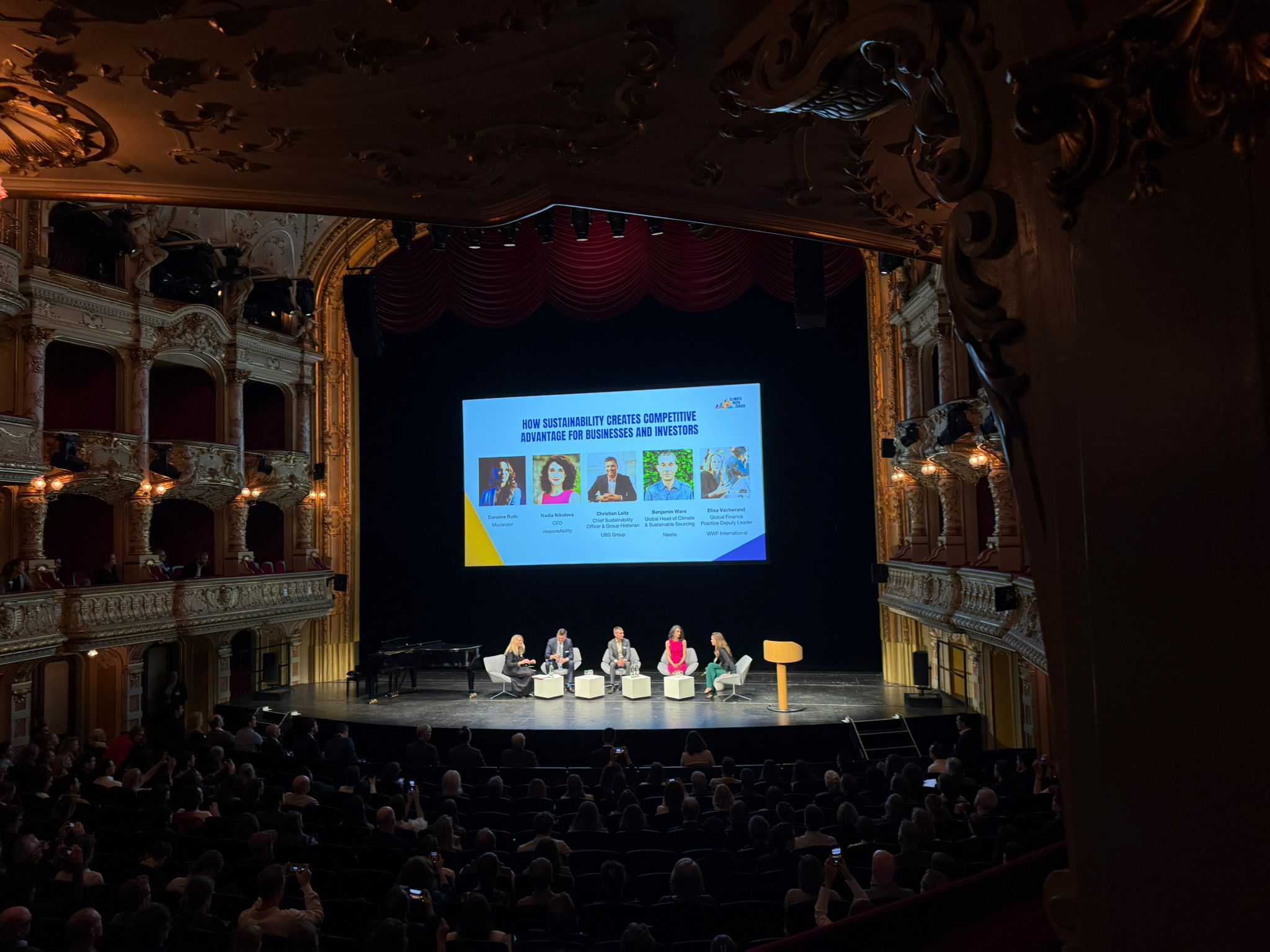
My highlight was Johan Rockström’s presentation. Not because the science was new, but because hearing it in that room, surrounded by people who are genuinely trying to do something about it, made the urgency feel very real. Tipping points are no longer a distant risk. The Amazon may already be closer to a point of no return than we previously thought. That is not a comfortable message, but it is a necessary one.
What struck me across all four events I attended was how consistent the message was: the era of planning is over. Speaker after speaker said it in different ways. The data exists. The capital exists, as Nadia Nikolova, CEO of responsAbility Investments, reminded us, there is no shortage of capital. The frameworks exist. What is missing is implementation. And Nadia named the real obstacle with unusual honesty: career risk. When the average CIO (Chief Investment Officer) stays three years, allocators avoid uncomfortable decisions. Boards and CEOs have the power to change this, but it requires real commitment, not delegation to a compliance team.
What gave me some fatigue, I will be honest, was seeing how some of the larger players still seem to be waiting. The scientist brings the data, the urgency is clear, and yet there is still a certain conservatism, especially in the financial sector. It is not a lack of knowledge. It is a governance problem. And that is both frustrating and, for those of us working in this space, a clear signal of where the real work still needs to happen.
The question I keep coming back to: what does our community still need to do to shift this, without getting lost in a battle of narratives?
GreenBuzz closing reflections: keeping the conversation going
Climate Week Zurich may have lasted one week, but the questions it raised are long-term ones:
- How do we move from conversation to implementation?
- How do we maintain momentum when progress feels slow?
- How do we continue building spaces where honesty, urgency, and collaboration can coexist?
At GreenBuzz, we believe that community reflections like these matter because systems change is not only built through strategies and frameworks, but through people willing to engage, challenge, and keep showing up.
We are curious to hear your thoughts:
- What conversations, tensions, or ideas stayed with you after Climate Week Zurich?
- Where do you believe the sustainability ecosystem needs to focus next?
Let’s keep the conversation going.